
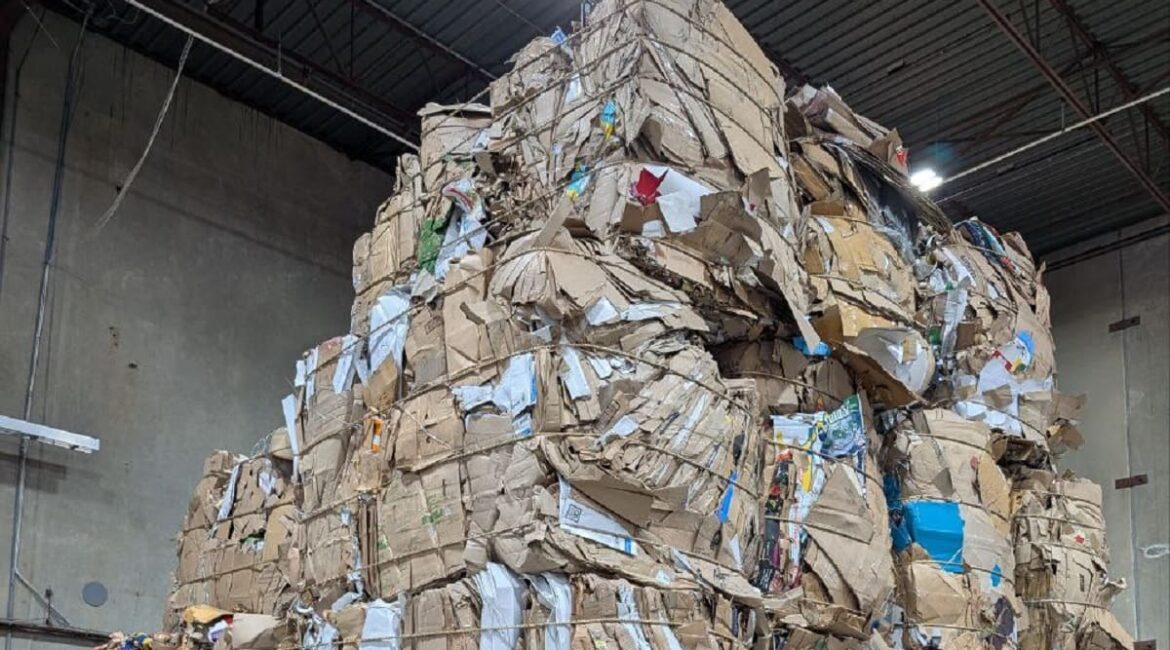
The future of waste paper recycling is definitely bright. Scientists are actively researching new methods of the process using biological resources. One promising area is the use of microorganisms, such as bacteria and fungi, which are capable of decomposing cellulose, the main component of paper. These microorganisms produce special enzymes that can effectively break down cellulose fibers, which simplifies the process of recycling 11 OCC cardboard and other types of used paper, cardboard.
To improve the efficiency of recycling, various conditions are being studied, such as temperature, pH and time frames. Scientists are also working on optimizing the conditions for culturing microorganisms. In addition, the interaction of microorganisms with additives that can accelerate the decomposition of paper is being actively studied. Modern projects include the development of industrial bioreactors, where these microorganisms will be used to process large volumes of waste paper. This will not only reduce recycling costs, but also reduce the negative impact on the environment, since biological processes are much less toxic compared to chemical methods.
