
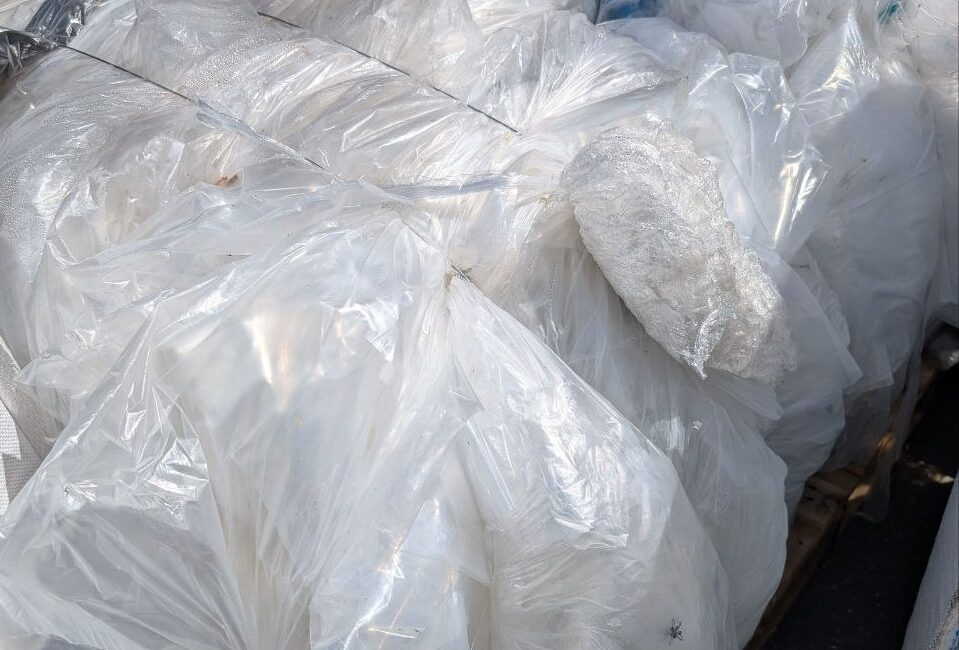
In recent decades, the problem of increasing plastic waste in the oceans has reached truly catastrophic proportions. According to environmentalists, about 8,000,000 tons of polymer products end up in the seas every year, which leads to serious environmental consequences for our world. Plastic, without decomposing, accumulates, causing colossal harm to marine ecosystems and threatening the lives of those who live in the water column. Animals and fish mistakenly take plastic waste for food, which leads to their death, which is natural, because polymers are not intended for eating.
All those who buy and sell used plastic waste are well aware of the catastrophe threatening humanity. They know that against the backdrop of this dangerous situation, it is extremely important to develop infrastructure for the effective processing of polymers. The construction of new recycling plants will reduce the amount of garbage entering the ocean, and will also make it possible to effectively reuse products made of plastic. In addition, recycling helps reduce the consumption of resources needed to produce new plastic, which in turn helps reduce the carbon footprint.
Cleaning the oceans and recycling plastic should be a priority for countries seeking to maintain the ecological balance of the planet. Without this, environmental initiatives will only be temporary measures.
