
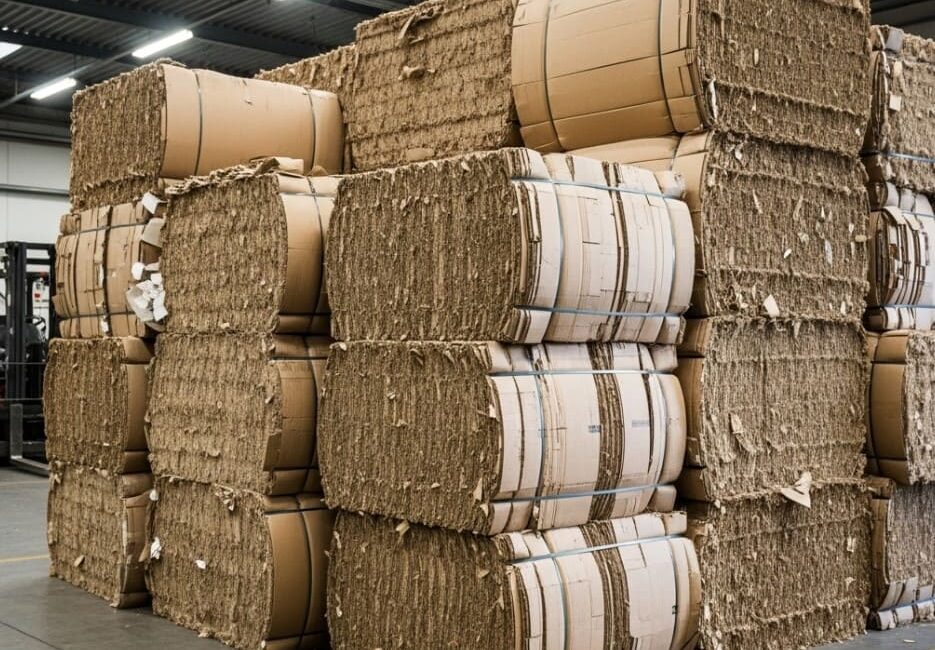
All over the world, used cardboard, such as OCC 11, is a highly liquid raw material for the recycling industry. Its demand is driven by three key factors: environmental issues, economic benefits and versatility of application. Cardboard packaging is ideal for a closed cycle, as its fibers can be recycled up to 7 times without significant loss of quality, which significantly saves water, energy and forests.
The global demand for waste cardboard is reflected in a variety of regional practices. In Germany, for example, there are strict standards for packaging and recycling. German factories turn old cardboard into new corrugated cardboard for logistics giants like Amazon and DHL. In the Netherlands, there is a company that is a leader in creating innovative packaging from recycled fibers. Another example. As the “world’s factory”, China has been the largest importer of waste paper for decades to produce shipping containers for export goods. Although the ban on waste imports has shifted the focus to domestic sources, demand has not fallen.
US companies work with retail giants on a special program, creating a closed system: the consumer hands over the packaging, which returns to the shelves in a new form. In Latin America, local processors actively use waste paper to produce corrugated cardboard for the agro-industrial sector (packaging for fruits, coffee, equipment). All these examples indicate that used cardboard is not garbage, but a strategic resource for the global “green” economy. Its value stimulates the development of collection and sorting infrastructure, creating sustainable supply chains from consumer to producer around the globe.
